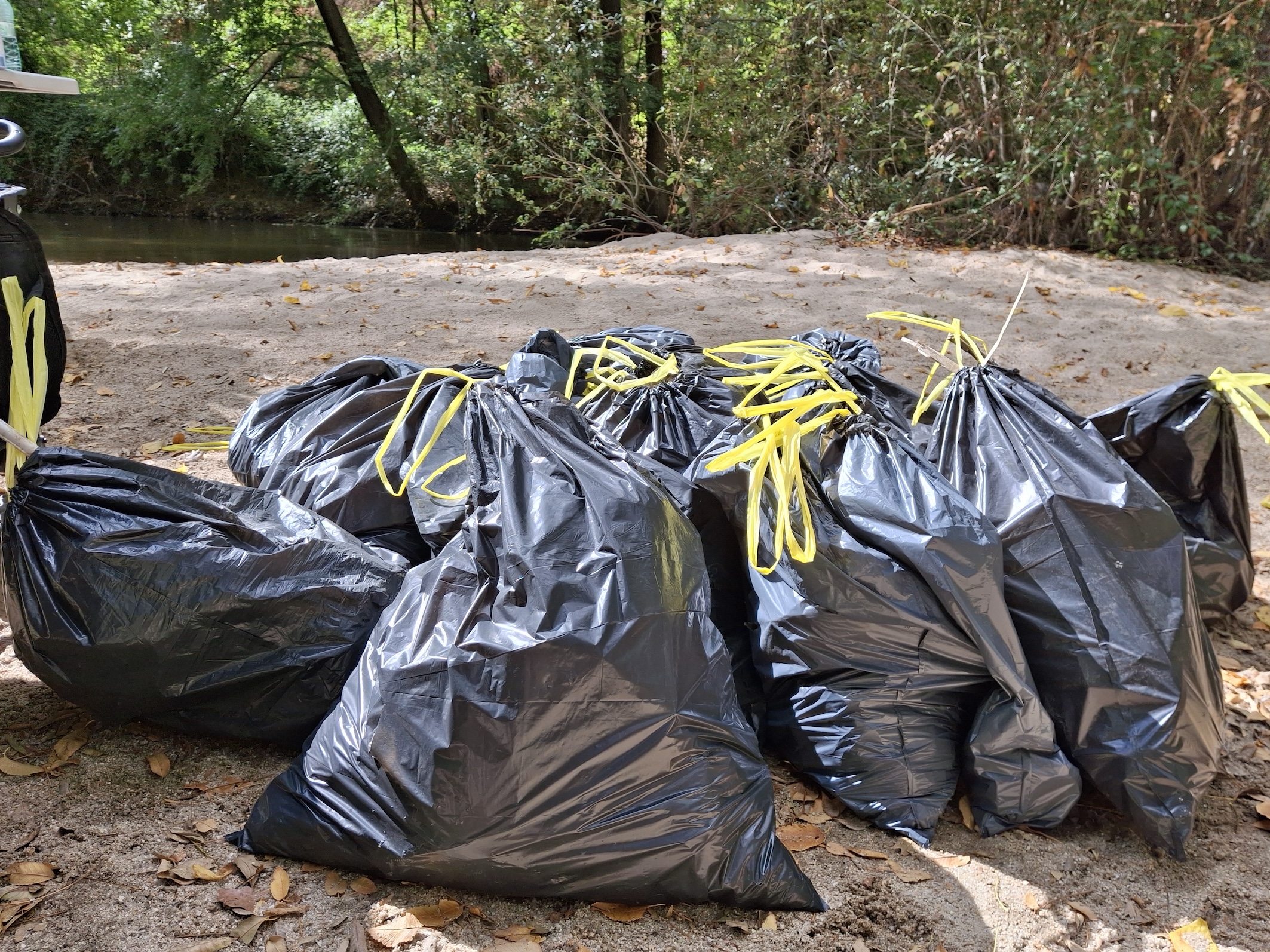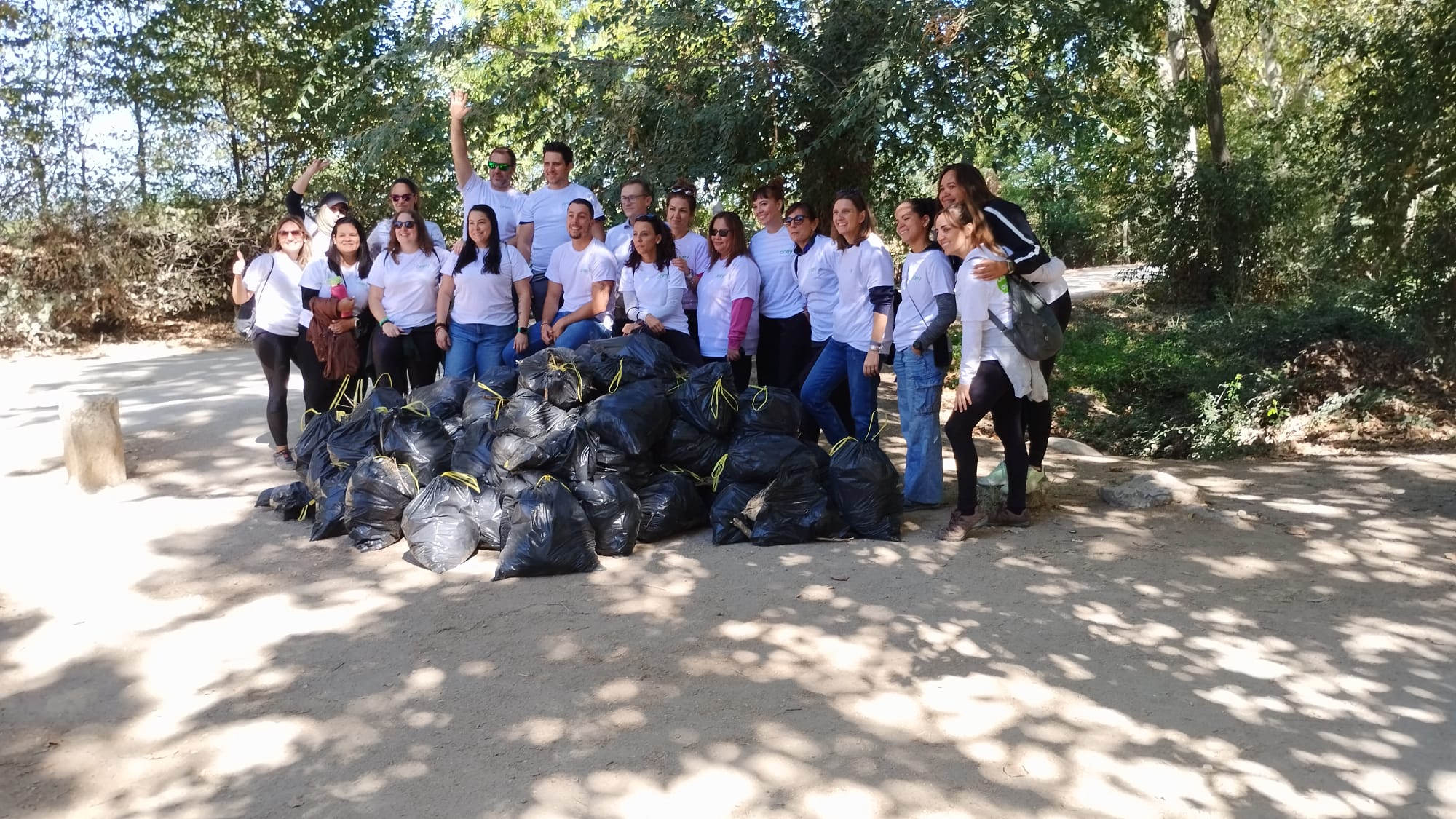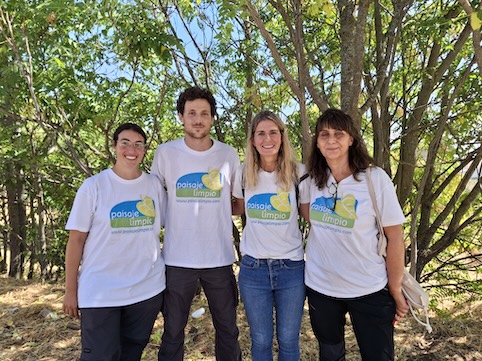
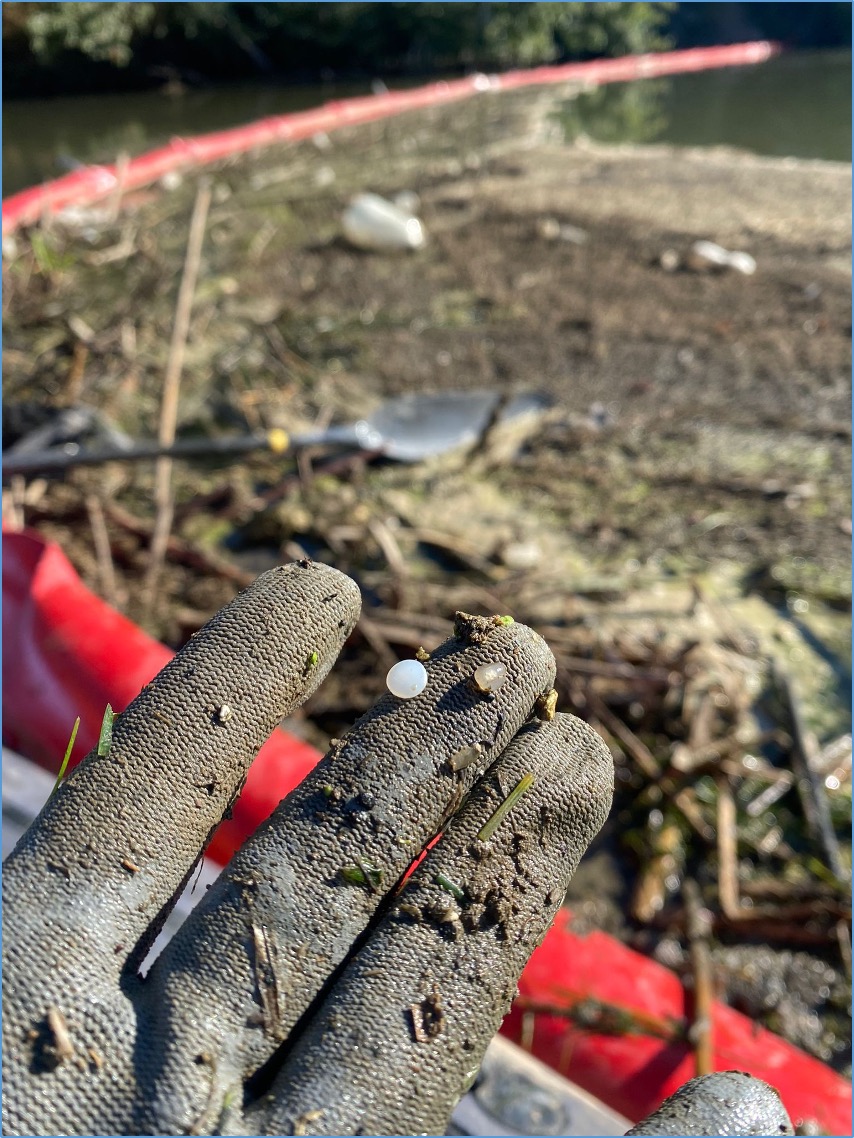
Since 2022, Paisaje Limpio has been developing the project Clean Rivers, Save Oceans in the Tagus River basin, with the support of Fundación ECOALF and Société Générale. The project aims to monitor, characterise and help prevent litter pollution in rivers before it reaches marine ecosystems.
Rivers are one of the main pathways through which waste from inland areas can reach the sea. Among the different types of river litter, plastics are especially relevant due to their high consumption, persistence in the environment and ability to float and travel long distances. However, plastics are not the only waste found in rivers. Other materials, such as paper, metal, glass, textiles, sanitary waste and mixed packaging, can also be present and contribute to the degradation of freshwater and marine ecosystems.
For this reason, Clean Rivers, Save Oceans takes a broad approach to river litter, while paying special attention to macroplastics, mesoplastics and microplastics because of their environmental impact and their role in marine pollution.
A methodology to understand river litter
The project combines field monitoring, floating litter collection, microplastic sampling, digital data recording and environmental awareness activities. Its main objective is to generate useful knowledge about the types, quantities and possible sources of waste transported by rivers.
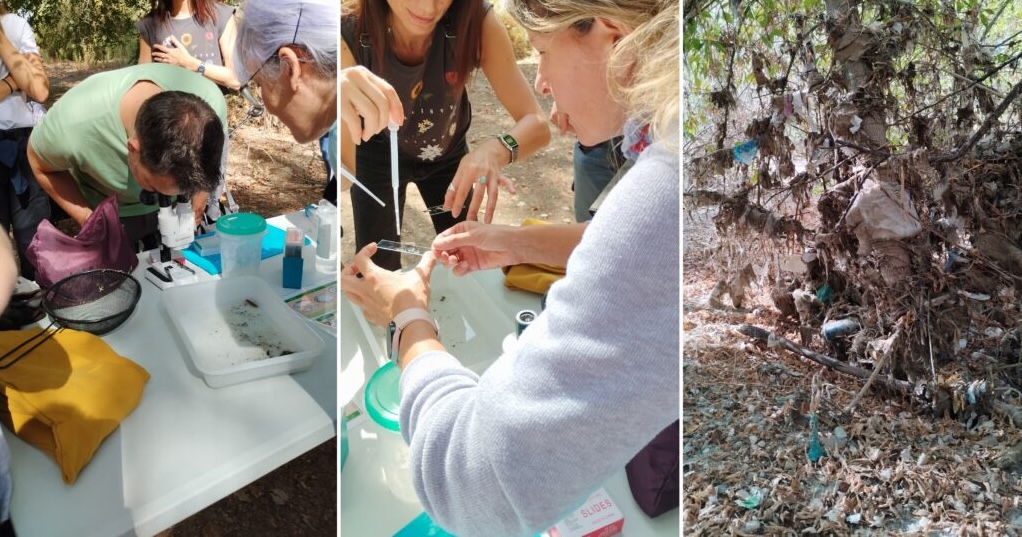
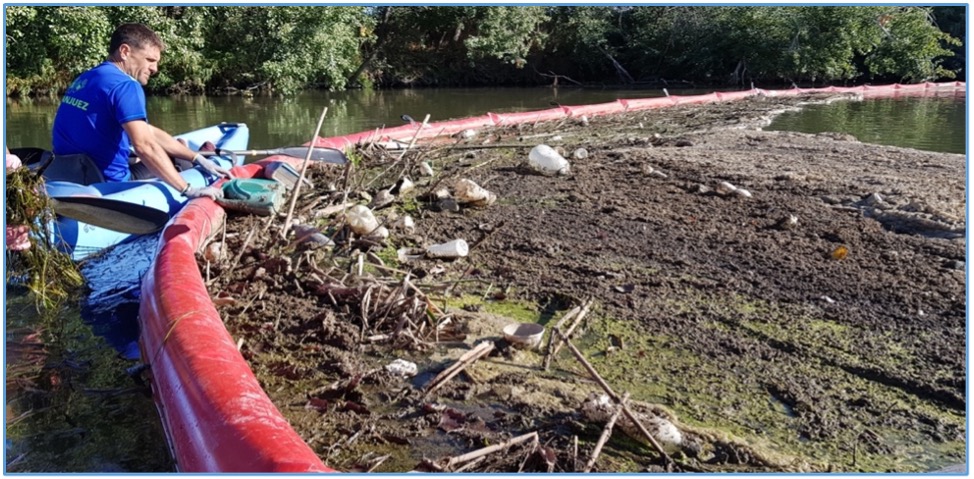
The methodology includes the installation of floating barriers to intercept litter in the river flow, the characterisation of macro- and mesoplastics, and complementary sampling techniques to assess the presence of microplastics in surface waters and the water column.
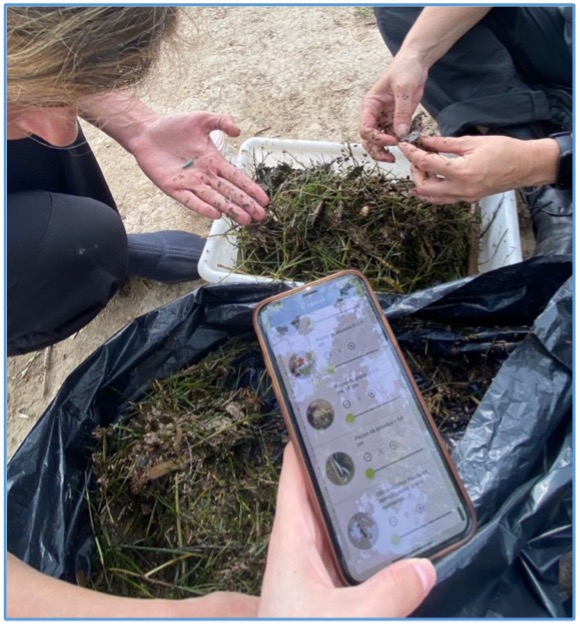
All data are recorded using the eLitter app, creating geo-referenced information that supports analysis, transparency and future replication. This integrated approach helps connect scientific monitoring with practical prevention, environmental communication and citizen engagement.
Long-term work in the Tagus River
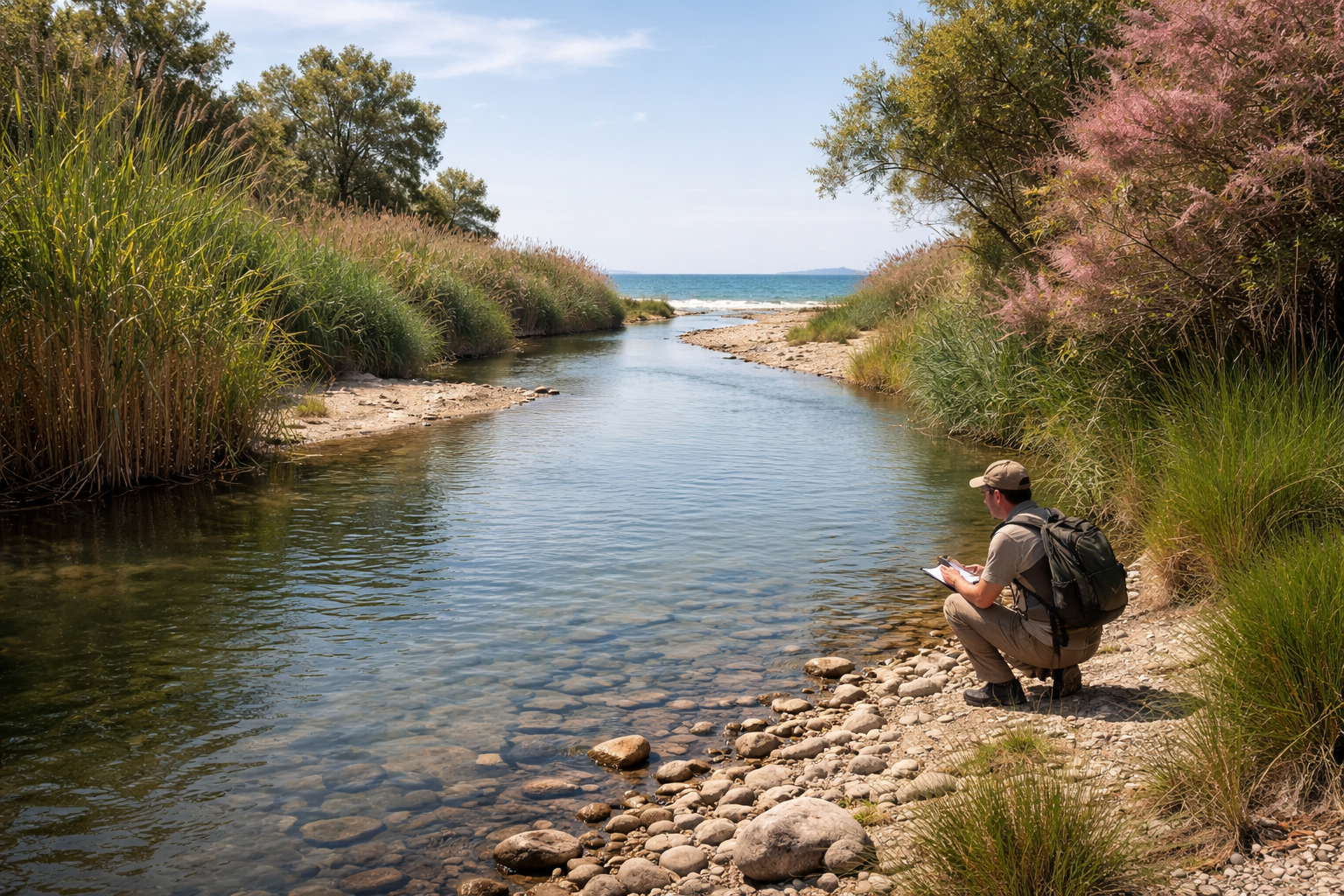
The Tagus River is one of the most important river systems in the Iberian Peninsula. Since 2022, Paisaje Limpio has carried out monitoring activities in this basin to better understand the presence and behaviour of river litter before it can reach downstream and marine environments.
The project allows Paisaje Limpio to identify frequent types of waste, observe how floating litter accumulates in specific areas, and improve knowledge about the relationship between land-based littering, river transport and marine pollution.
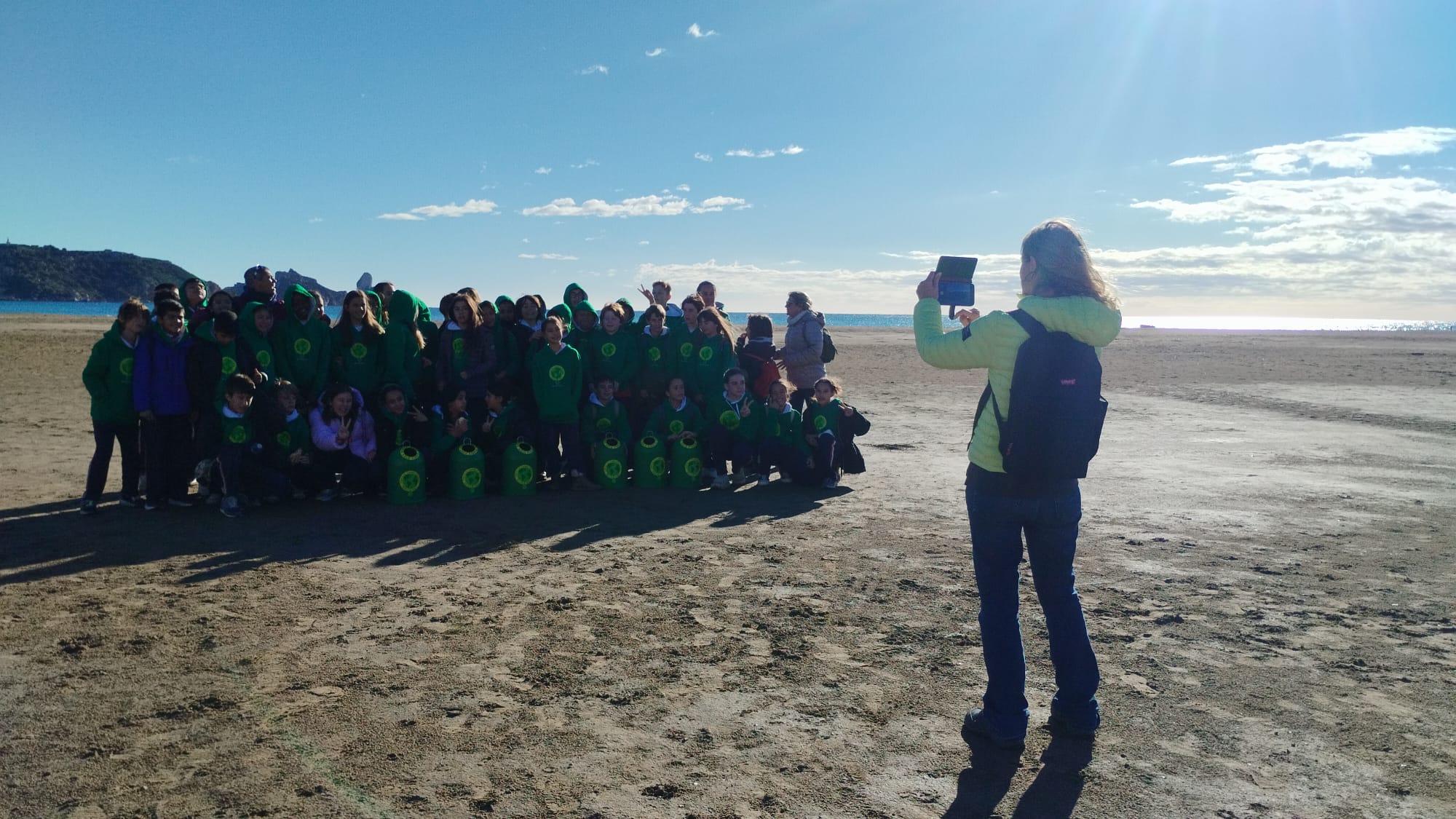
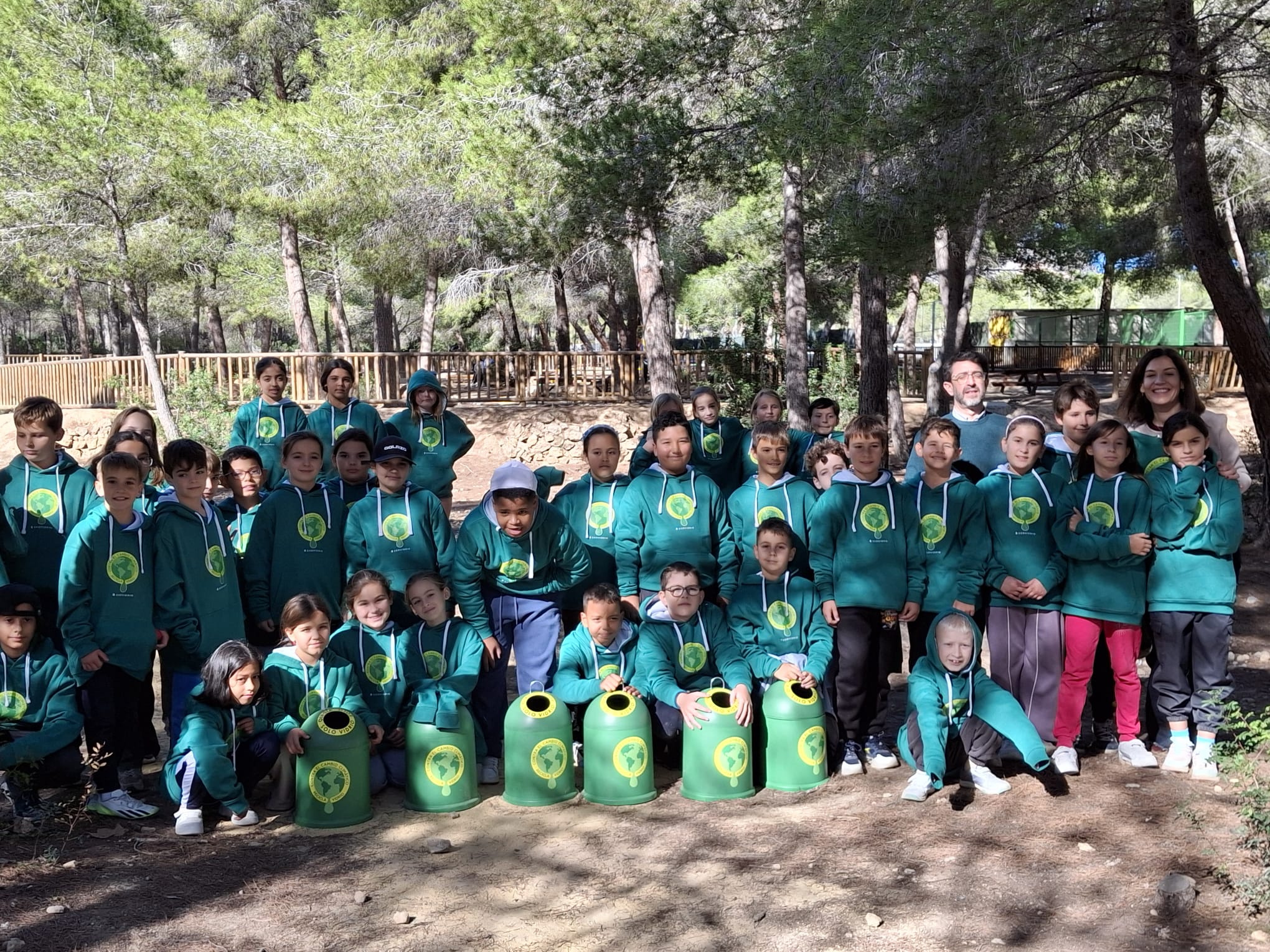
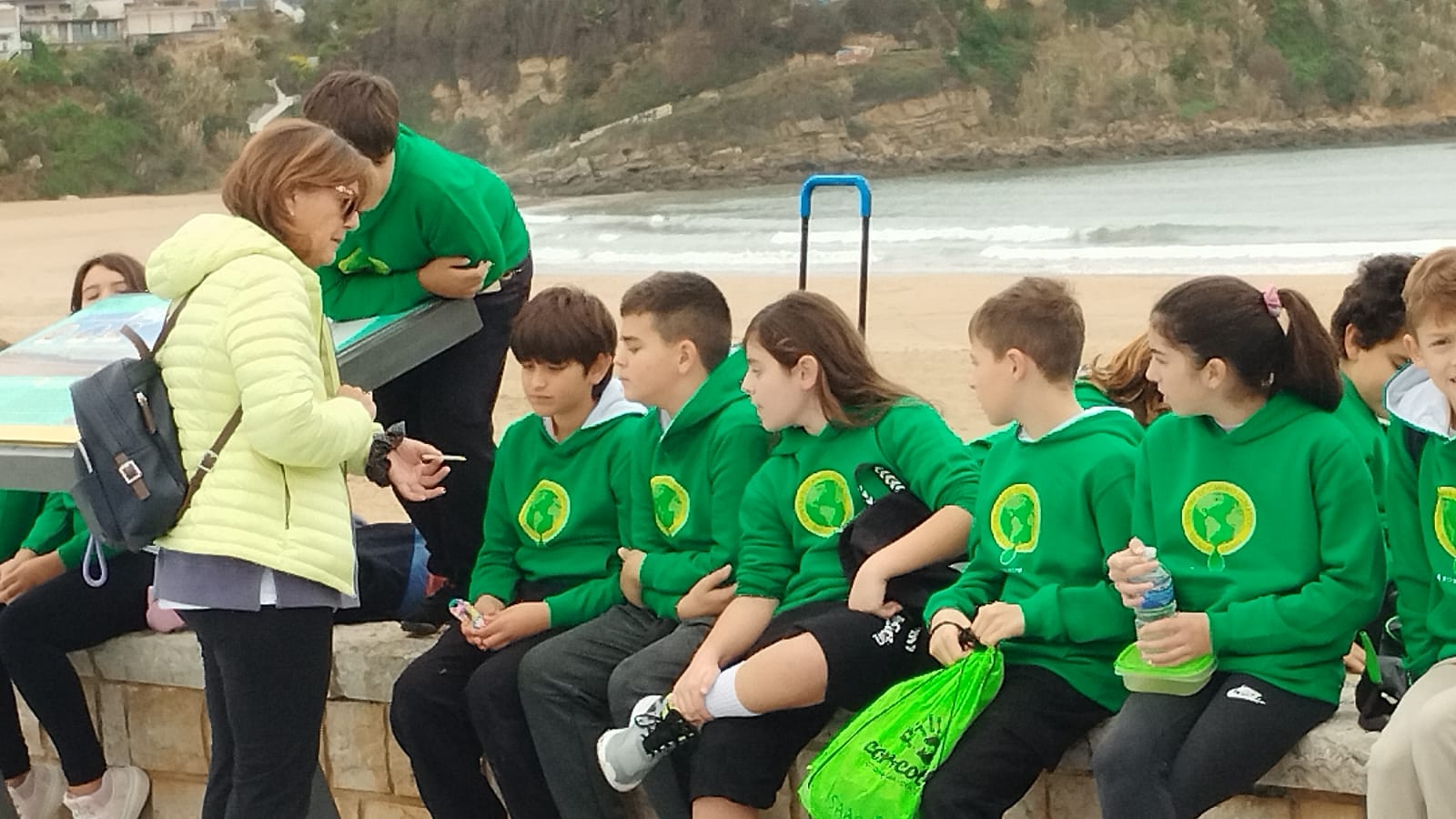
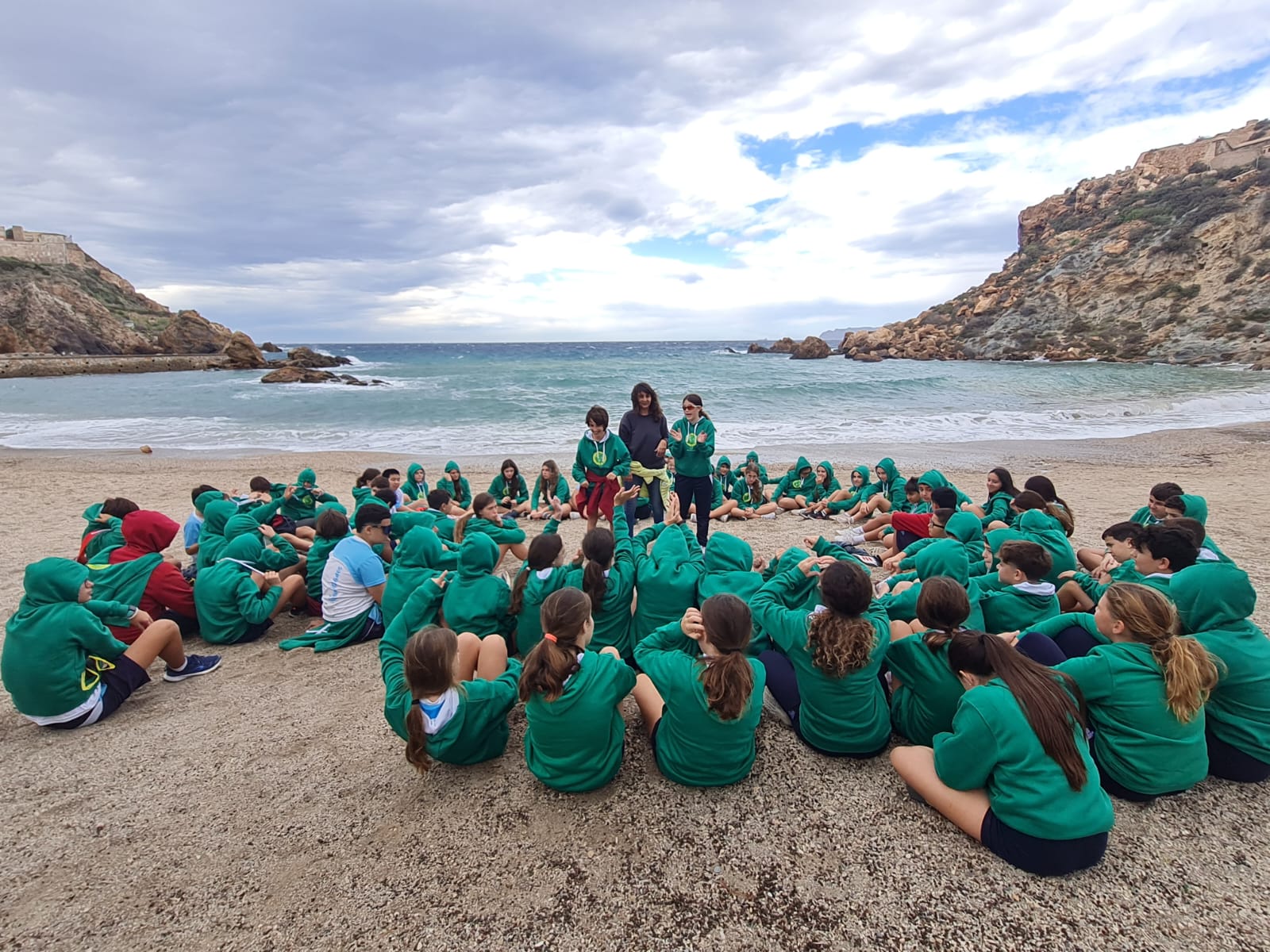
This work also has an important educational and communication dimension. By showing what rivers carry, the project helps raise awareness of the importance of prevention, responsible waste management and behavioural change.
A methodology already replicated in the Júcar River
The methodology developed in the Tagus River has already been replicated in the Júcar River, where Paisaje Limpio applied the same integrated approach for one year.
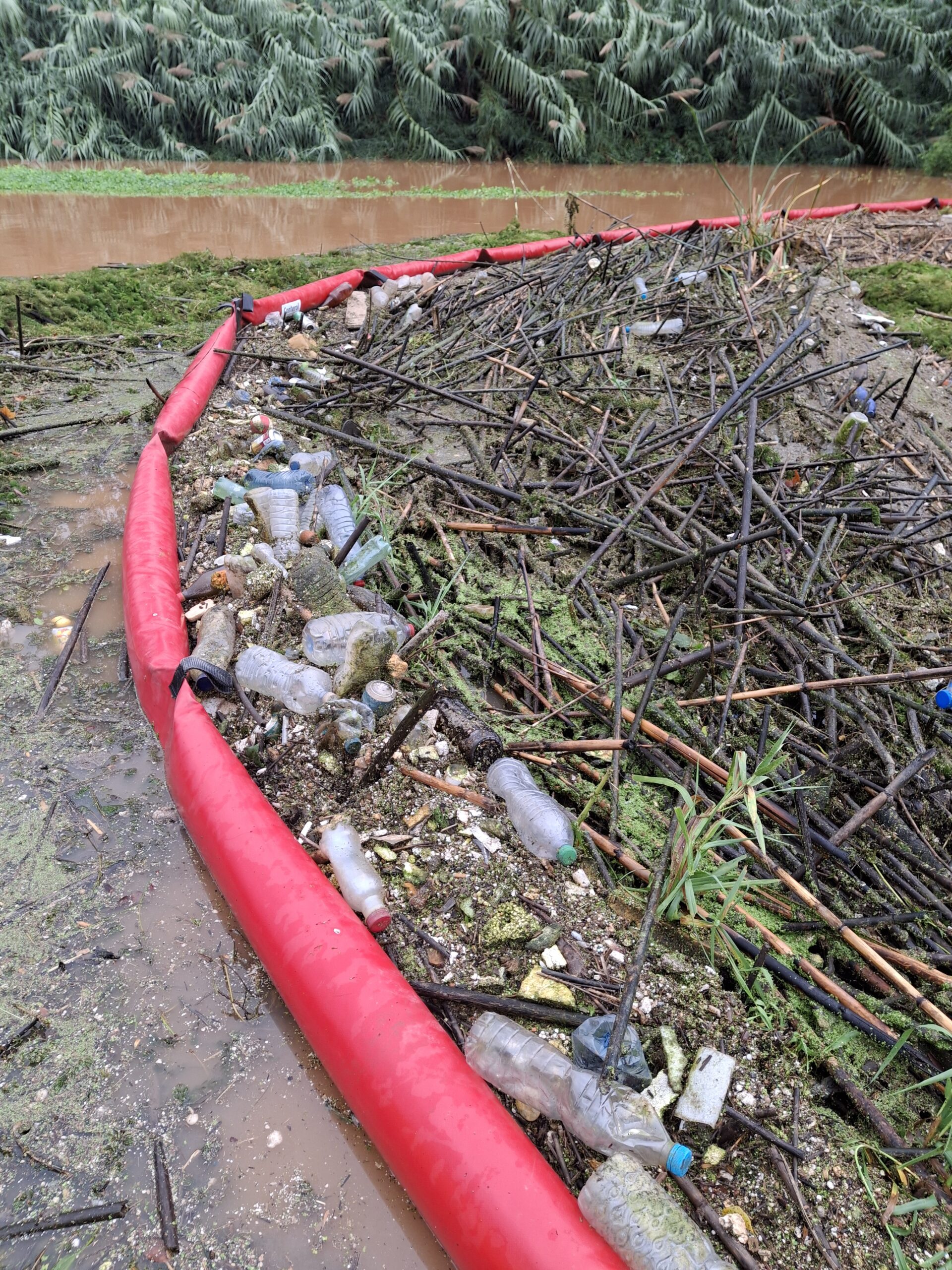
This experience demonstrated that the project can be adapted to other river basins affected by different urban, industrial or agricultural pressures. The replication in the Júcar River reinforces the transferability of the methodology and its potential use in other territories seeking practical ways to monitor and prevent river litter.
Contribution to Mission Ocean and Waters
Clean Rivers, Save Oceans is directly aligned with the objectives of the Mission Ocean and Waters, especially the prevention and elimination of pollution in inland and marine waters.
The project highlights the importance of acting upstream, before litter reaches the sea. It shows that river monitoring can become a practical tool for ocean protection, helping to connect freshwater ecosystems with marine restoration.
Through this initiative, Paisaje Limpio contributes to generating data, raising awareness, involving local stakeholders and promoting practical and replicable solutions that link river protection, citizen engagement and ocean restoration.
A replicable solution
The methodology can be adapted to other medium-to-large river systems in Europe. Its replication requires suitable access points, floating barrier infrastructure, sampling equipment, trained personnel, local partnerships and institutional support.
By sharing this experience, Paisaje Limpio aims to contribute to the visibility of practical solutions that help prevent litter pollution in rivers and reduce the amount of waste reaching seas and oceans.